Excellence Wins: what Horst Schulze can teach the next generation of Luxury Hospitality
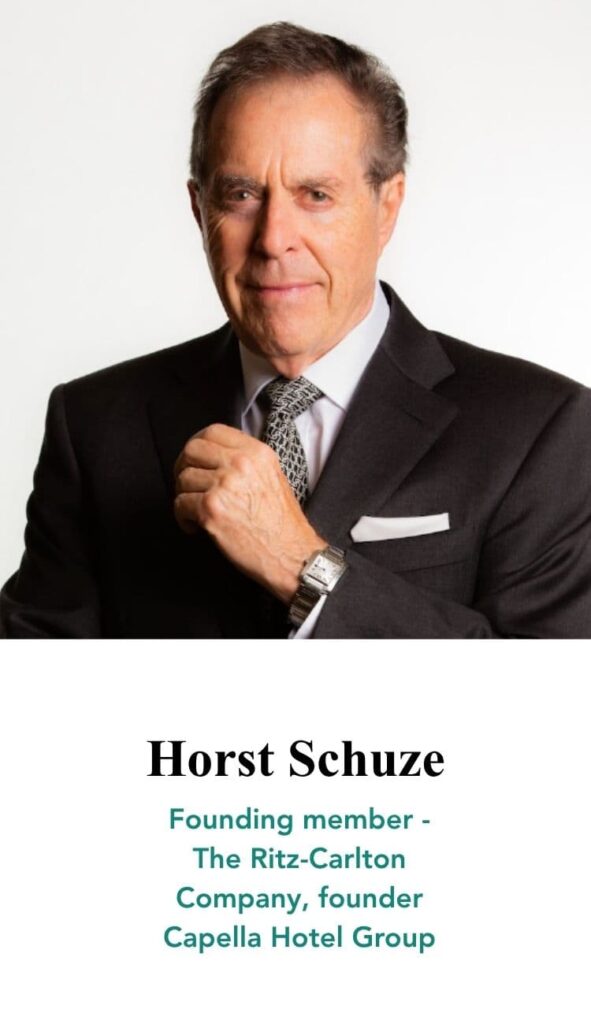
Horst Schulze does not write about hospitality so much as he writes about character.
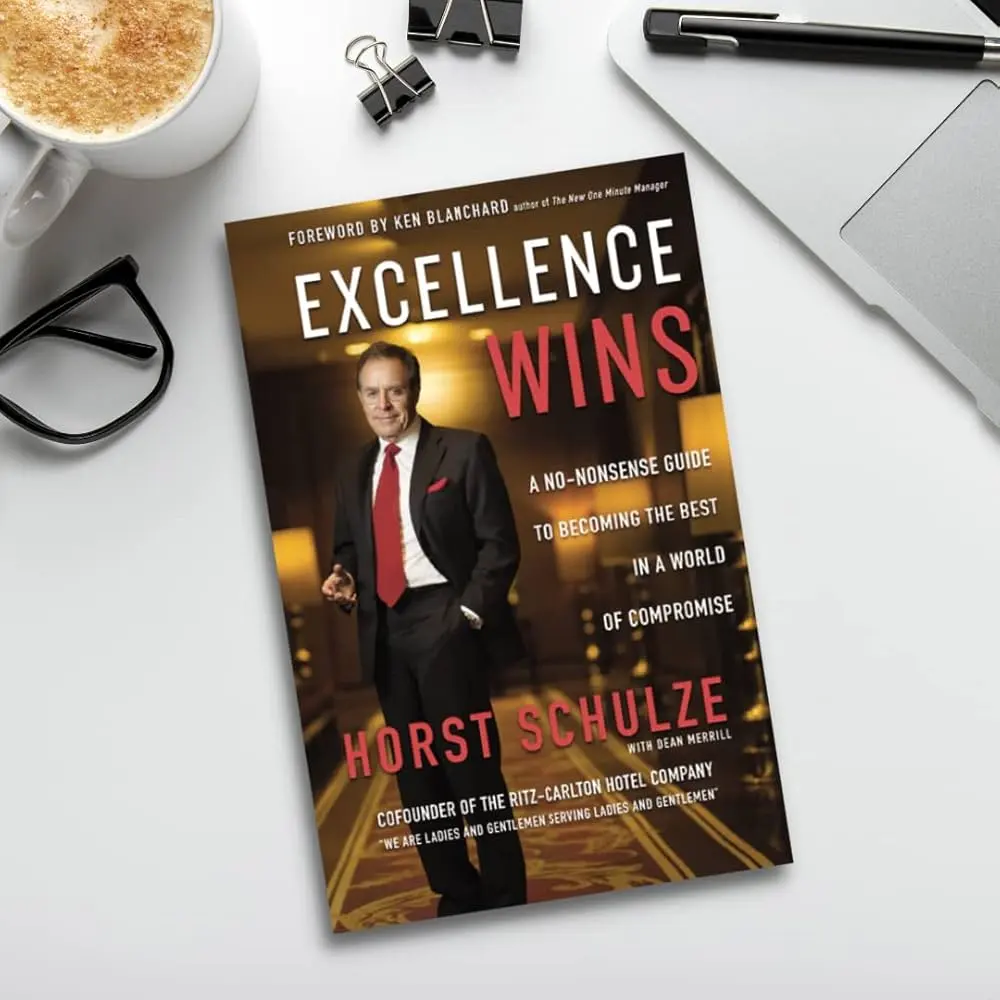
The co-founder and former president of The Ritz-Carlton Hotel Company spent more than five decades building one of the most decorated service organisations in the world, and in 2019, he distilled that career into a single, blunt-titled book: “Excellence Wins: A No-Nonsense Guide to Becoming the Best in a World of Compromise.” It is not a book about thread counts or turndown service. It is a book about discipline, standards, and the conviction that excellence is a choice an organisation makes every single day, not a slogan it hangs in the lobby.
the core Argument: Excellence Is a System, Not a Slogan
Schulze’s central claim is uncomfortable for an industry that loves to talk about “guest experience” in soft, aspirational language. He argues that excellence only survives when it is built into systems, measured relentlessly, and reinforced by leadership every day. “You won’t accomplish what you don’t measure,” he writes, a line that could just as easily come from a manufacturing floor as a five-star hotel. For Schulze, warmth and rigour are not opposites; rigour is what makes warmth repeatable at scale.
Ladies and Gentlemen, Serving Ladies and Gentlemen
The Ritz-Carlton motto Schulze helped create, “We are ladies and gentlemen serving ladies and gentlemen”, is often quoted and rarely understood. Its real power is in the framing: it asks every employee, from doorman to general manager, to bring their own dignity to the job rather than perform a subservient role. Under that philosophy, The Ritz-Carlton became the only hotel company to win the Malcolm Baldrige National Quality Award twice, a recognition built on hard data about defect rates and guest retention, not on charm alone.
why this still matters in 2026
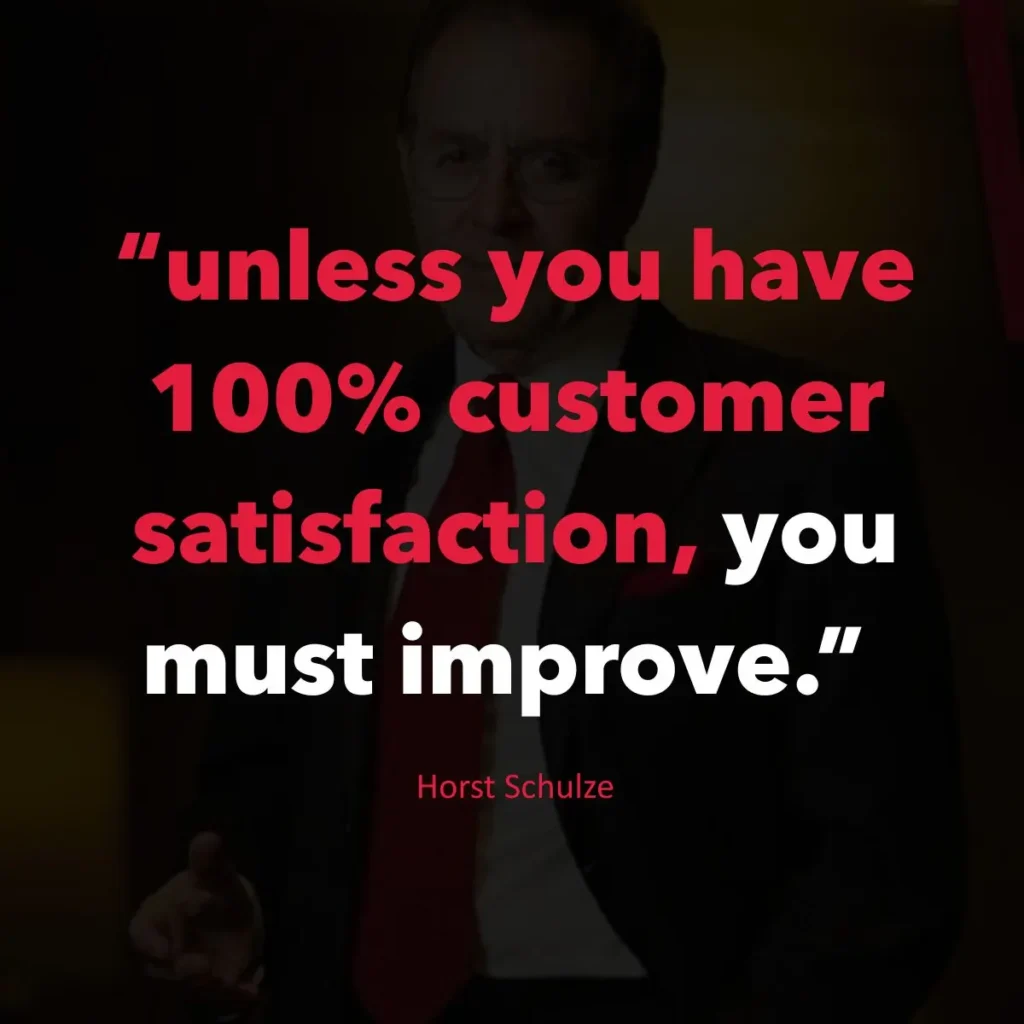
Luxury hospitality today faces pressures Schulze never had to design for: AI-personalised service, hyper-informed guests, and a workforce that wants meaning as much as wages. But his core insight, that customer-centricity is a business model, not a department, has only become more relevant. “If you build a customer-centric business, the money will come,” he insists, and the brands currently winning in the luxury segment are the ones still testing that claim against their own P&Ls.
A Living Case Study: REVERSE Philosophy
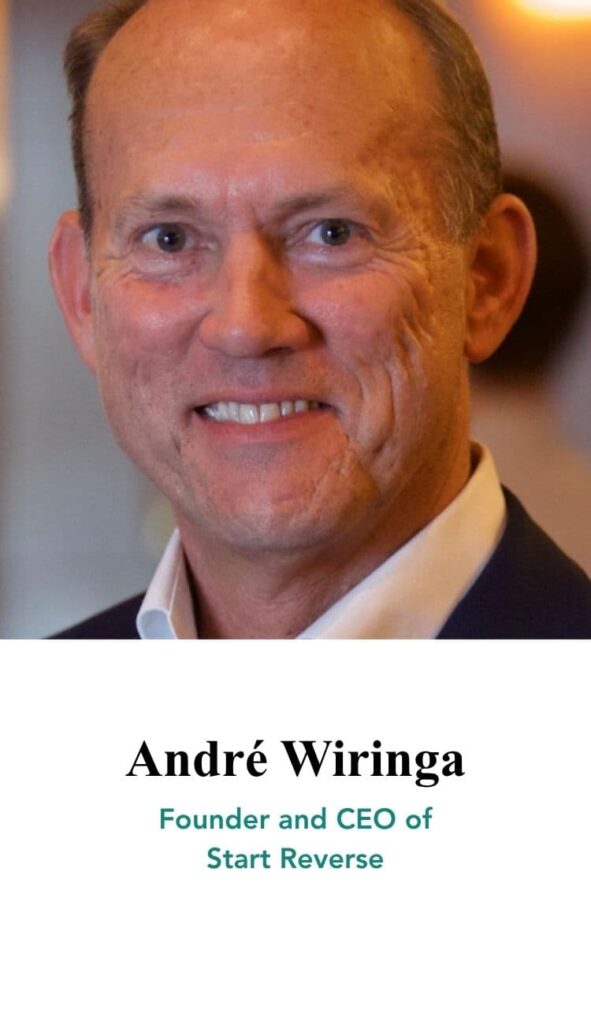
That same conviction, that the customer, not the org chart, should sit at the centre of the business, is exactly what Andre Wiringa has spent nearly four decades building into a practice. Wiringa founded Start Reverse in 1987 and has since helped more than 300 brands, including citizenM Hotels, Accor Hotels, Radisson Red, KLM, Schiphol Airport, King Salman International Airport, Red Sea Global Hospitality, Boutique Group, Rove Hotels, Address Hotels turn guests into lifetime fans.
His REVERSE Philosophy flips the traditional hierarchy: instead of frontline staff serving the org chart upward, the organisation is restructured to serve the people actually facing the guest. It is, in spirit, Schulze’s “ladies and gentlemen” ethos translated into a modern operating model, dignity and accountability pushed down to the people who make or break the experience in the moment.
Where the Conversation Continues
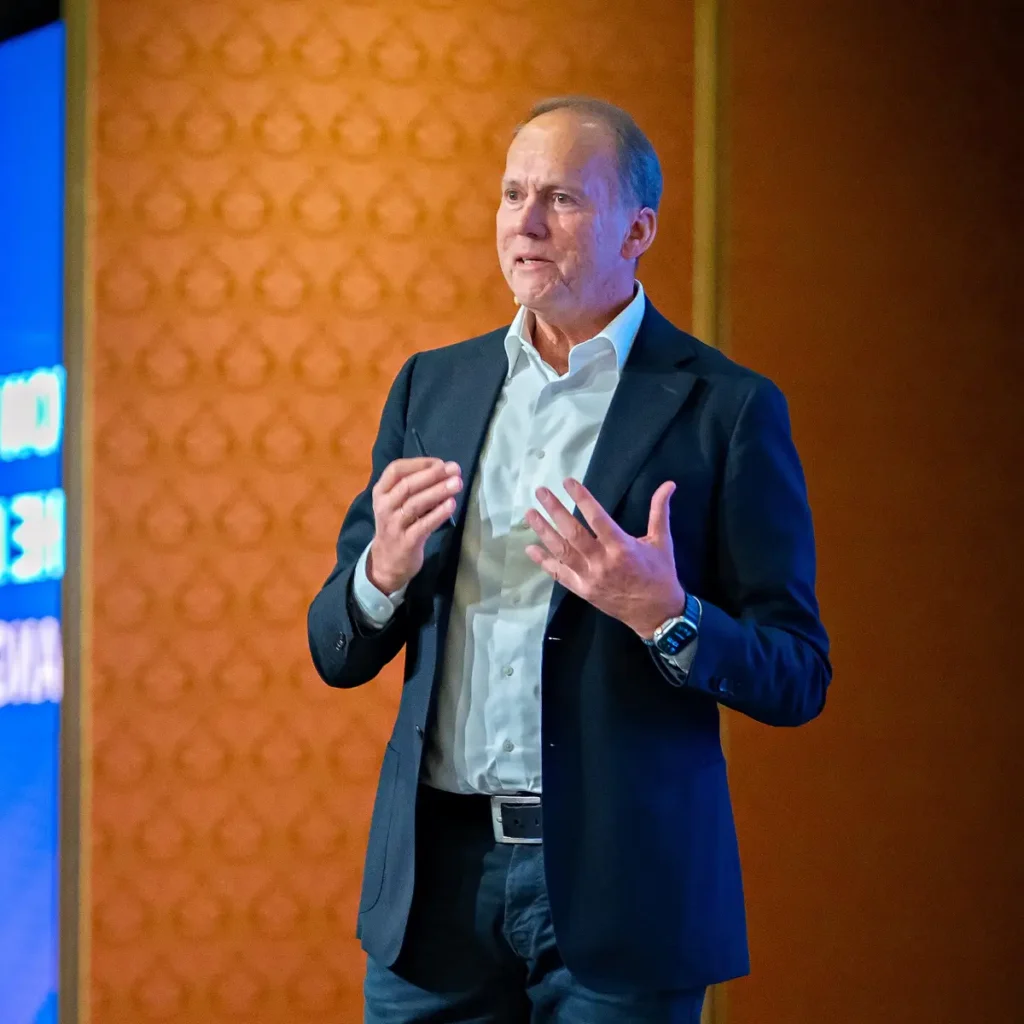
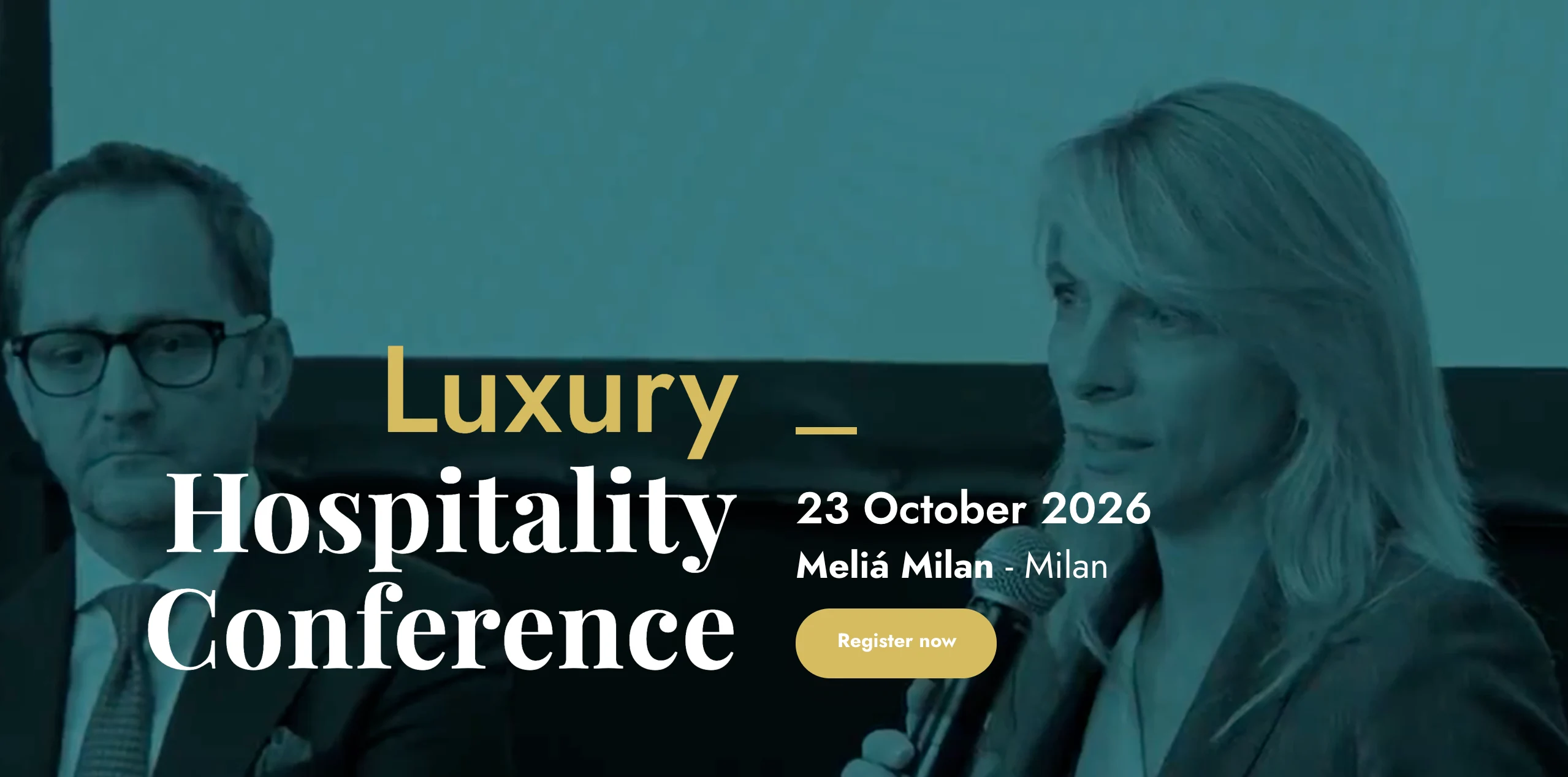
This is precisely the conversation taking shape at the Luxury Hospitality Conference, held under the patronage of Fondazione Altagamma at the Meliá Milano on October 23, 2026. The conference gathers general managers, luxury brand CEOs, and researchers to debate what luxury means today, from guest psychology to service excellence to technology. Schulze himself is also on the programme, ready to inspire and continue these powerful statements and proof in the hospitality sector.
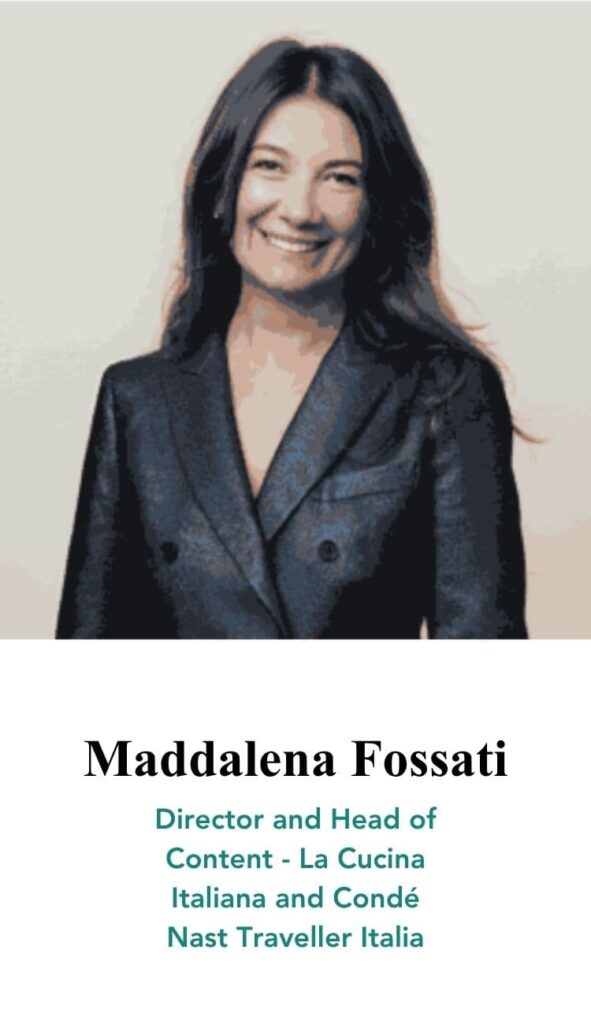
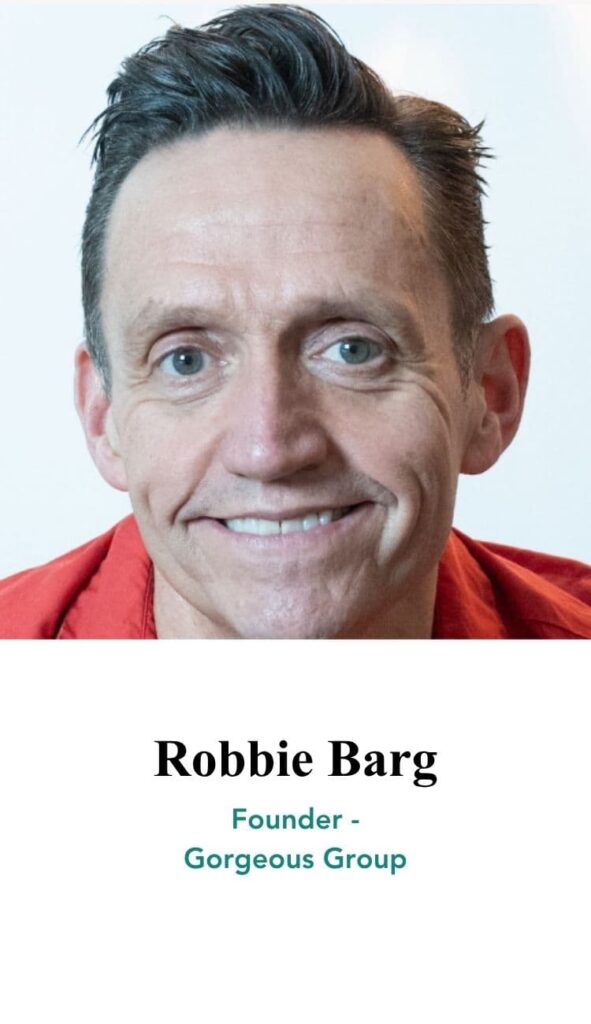
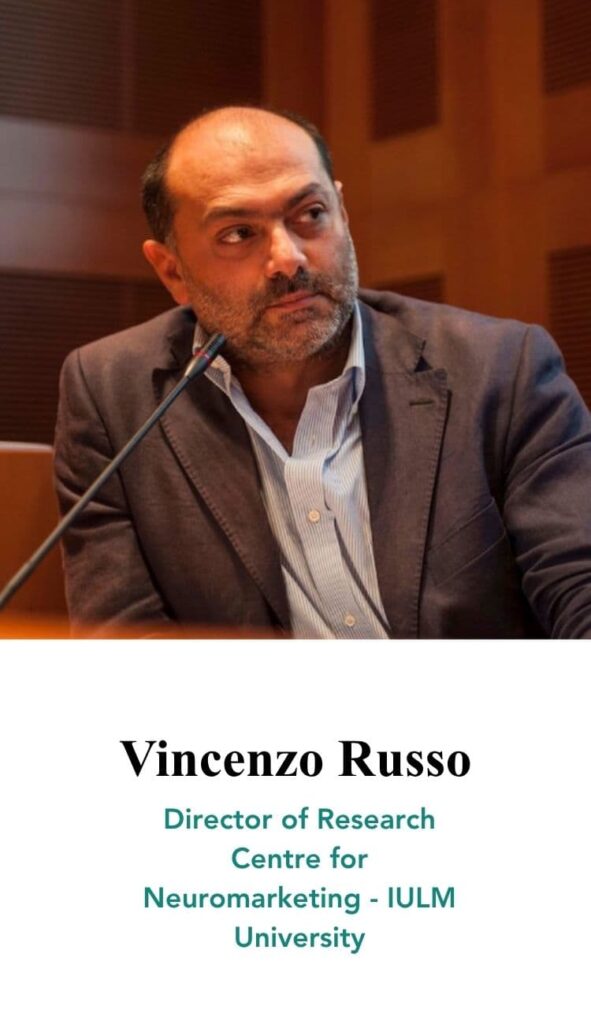
Andre Wiringa will take the stage there alongside voices like Vincenzo Russo of IULM University’s Centre for Neuromarketing, Robbie Bargh of Gorgeous Group, and Maddalena Fossati of La Cucina Italiana and Condé Nast Traveller Italia.
Wiringa’s reverse-engineered organisations, the conference’s focus on service excellence, and guest psychology, even the neuromarketing lens Vincenzo Russo brings to the discussion of affluent guest behaviour, all of it is an extension of the argument Schulze made decades ago at The Ritz-Carlton: that luxury is not a price point, it is a standard of attention, measured and repeated until it becomes culture.
Reading “Excellence Wins” alongside the Luxury Hospitality Conference lineup makes one thing clear: the debate about what luxury hospitality should look like in 2026 is still, at its root, the debate Schulze opened decades ago. The names and the tools have changed, reverse org charts, neuromarketing, AI personalisation, but the question is the same one he asked at The Ritz-Carlton: will you measure your standards and hold them, or will you compromise? For anyone in the industry, that question is worth sitting with before October 23.
let's talk
We are looking forward to talking to you !
Please fill out the contact form below and we will reach out to you within 24 hours.
Do you have a more urgent question?
Feel free to give us a call at +31 (020) 237 47 18