
Happiness at work is a business metric now
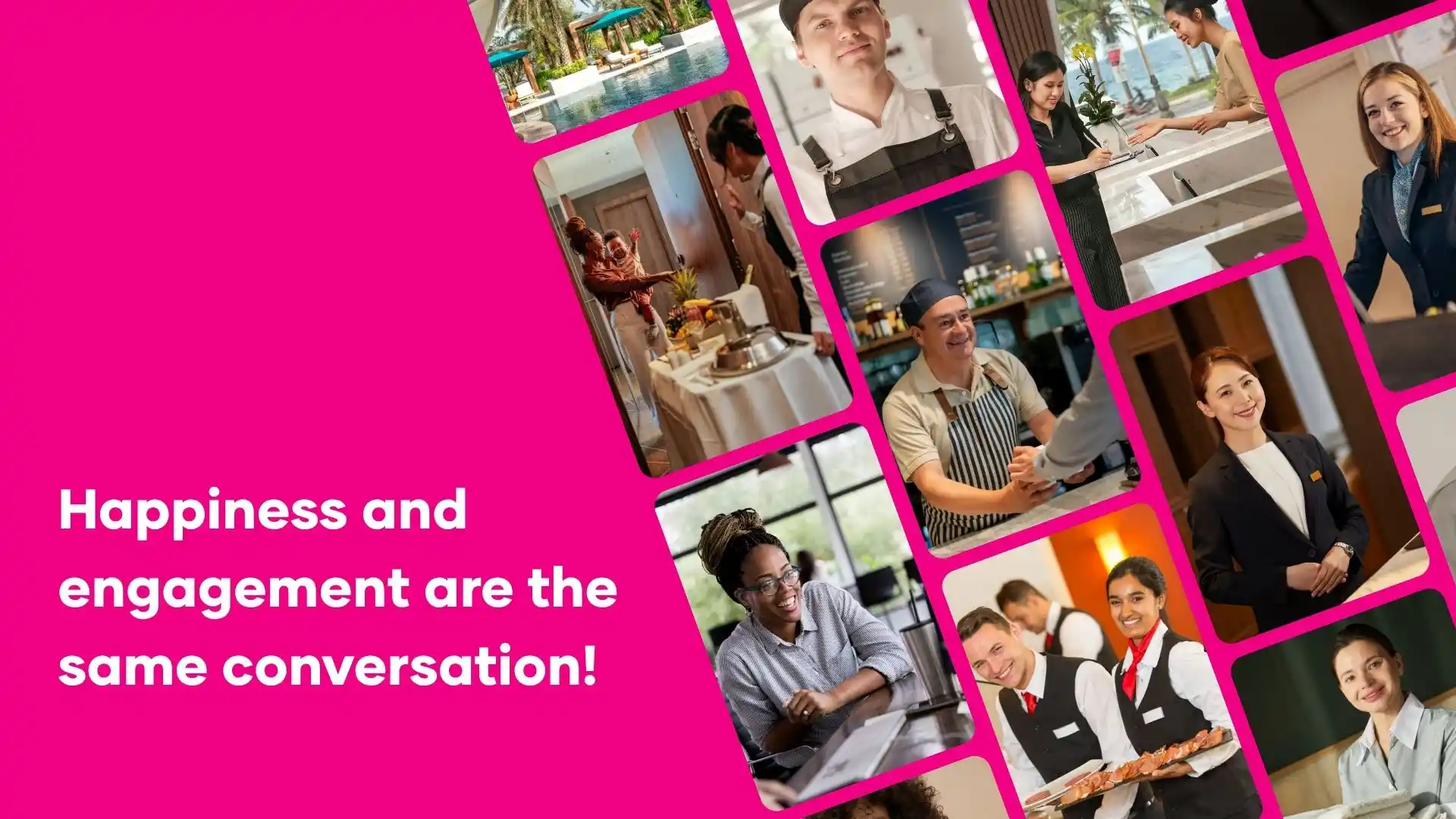
Every September, the last full week belongs to something most businesses still treat as a soft topic: International Week of Happiness at Work. It’s easy to dismiss it as another awareness week. It shouldn’t be. Happiness and engagement are, in practice, the same conversation wearing two different names, and the numbers behind it are anything but soft.
September has a natural advantage here. Teams are freshly back from summer, routines are resetting, and people are more open to a genuine reset in how they work than at almost any other point in the year. The question is whether that openness gets used.
The number worth sitting with
Gallup’s most recent global workplace data puts engagement at 20% worldwide, the proportion of employees who are genuinely, actively invested in their work. That means four in five people are either quietly going through the motions or actively disengaged. It’s a figure that’s worth reading twice, because it means the opportunity for any organisation willing to close that gap is enormous.
And it’s not evenly spread. The United States and Canada lead at 31% engaged; Europe sits at just 12%. That gap has little to do with economics and everything to do with how directly people are led, how much ownership they’re given, and how genuinely their wellbeing is treated as part of the job rather than separate from it.
The cost of leaving it unaddressed
Disengagement has a real price tag. Gallup estimates it costs the global economy $438 billion a year in lost productivity, the accumulated effect of millions of people showing up but not fully bringing themselves to the work. On the flip side, that’s also the scale of the opportunity available to any organisation that closes even a small part of the gap.
There’s a more personal number too: 42% of employees who voluntarily leave a role say their manager could have done something to prevent it. That’s not a criticism of managers as a group. It’s a genuinely useful signal. It means engagement sits closer to home, and closer to daily reach, than most engagement strategies assume.
Engagement starts with being seen
At Start Reverse, this is where Reversology earns its keep: start with the person, not the process. Real engagement rarely comes from a new benefit or a louder mission statement. It comes from people feeling genuinely understood, what motivates them, what a good day at work actually looks like for them, and whether someone notices when they’ve had one.
That’s also where EPIC leadership and STAR behaviour do their quiet, daily work. A leader who empowers and coaches rather than directs. A colleague who recognises effort rather than letting it pass unnoticed. Happiness at work isn’t a separate initiative from culture, leadership or customer experience. It’s the visible result of all three working together.
A better use of the week
Rather than marking International Week of Happiness at Work with a single event, use it to ask every team one direct question: what would make a genuinely good day at work more likely for you? Not a survey. A real conversation, with a real answer, followed by something visibly different the next week.
Engagement built this way in September carries forward. It’s what shows up in November’s customer interactions, in December’s leadership under pressure, and in January’s performance conversations. Start here, and the rest of the year has considerably more to work with.
Sources
- Gallup, State of the Global Workplace
- International Week of Happiness at Work
- Gallup research on manager impact on voluntary turnover, cited via DDI, Global Leadership Forecast 2025
let's talk
We are looking forward to talking to you !
Please fill out the contact form below and we will reach out to you within 24 hours.
Do you have a more urgent question?
Feel free to give us a call at +31 (020) 237 47 18
